

 See My Latest Article on HelloNation
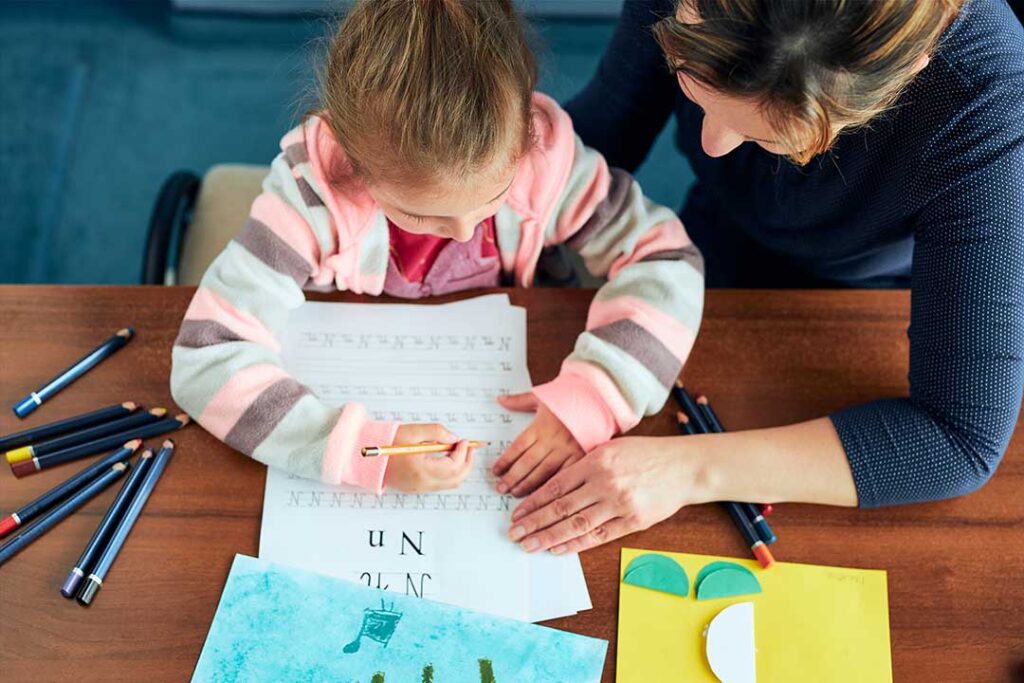
School challenges can affect grades, friendships, confidence, sleep, and family routines. For families in Western Arkansas, the most useful response usually begins with listening carefully, identifying the specific problem, and working with the child on one manageable next step rather than trying to solve everything at once.
How can parents tell whether a child is struggling at school?
A child may be having difficulty even when there are no failing grades. Changes in behavior often provide the first clue.
Common signs include:
- Frequent stomachaches, headaches, or requests to stay home
- Sudden irritability, tearfulness, or withdrawal
- Trouble sleeping or unusual fatigue after school
- Lost assignments, forgotten materials, or difficulty following routines
- Avoiding reading, writing, homework, sports, or social activities
- Statements such as “I’m stupid,” “Nobody likes me,” or “I can’t do this”
- A noticeable drop in grades, class participation, or attendance
These signs do not automatically mean a child has a learning disability or serious emotional problem. Stress, changes at home, friendship conflicts, sleep loss, illness, bullying, and academic gaps can produce similar behaviors. The goal is to look for patterns and ask calm questions before making assumptions.
What should a parent say first?
Start with curiosity rather than correction. A child who expects criticism may hide the problem or provide only a short answer.
Instead of asking, “Why are you not doing your work?” try:
- “What part of the school day feels hardest right now?”
- “When did this start?”
- “Is the problem the work, the classroom, other students, or something else?”
- “What would make tomorrow a little easier?”
- “Do you want help thinking through it, or do you want me to listen first?”
A conversation may work better during a quiet activity, a car ride, or a meal than during a rushed homework period. Younger children may explain more through drawing, play, or examples from a favorite story. Older students may respond better when given privacy and a choice about how to discuss the issue.
Listen for the difference between a temporary frustration and a repeated barrier. “Math was hard today” is different from “I never understand the directions in math.” The second statement may point to a need for clearer instruction, additional practice, or an evaluation of learning needs.
How can families separate academic problems from motivation problems?
What looks like laziness is sometimes confusion, anxiety, attention difficulty, or an assignment that is too advanced. A child may avoid work because avoiding it feels safer than showing that the material is confusing.
Ask the child to demonstrate the first step of the assignment. This can reveal whether the obstacle is:
- Understanding the instructions
- Remembering facts or procedures
- Reading the material
- Organizing several steps
- Staying focused long enough to finish
- Managing fear of making mistakes
Break large assignments into short work periods. A student might read two pages, solve three problems, or write one paragraph before taking a brief break. Keep needed materials in one consistent place, use a simple checklist, and ask the child to repeat the plan in their own words.
Praise specific actions rather than general traits. “You kept working after the first problem was difficult” is more useful than “You are so smart.” Specific encouragement helps children connect progress with persistence, planning, and asking for support.
When should parents communicate with the school?
Parents should reach out when a problem continues, affects attendance or well-being, or cannot be understood from home. Early communication is usually more productive than waiting for report cards.
A useful message briefly explains:
- What the child has said or done
- When the concern began
- Whether it occurs in one subject, one setting, or throughout the day
- What changes have been noticed at home
- What support has already been tried

Ask factual questions such as:
- Is the child completing work in class?
- Does the child understand directions?
- Are there concerns about reading, writing, math, attention, or organization?
- How does the child interact with classmates?
- Are there patterns during particular times of day?
- What strategies have helped at school?
Teachers may see information that families cannot, while families know about sleep, health, stress, and routines outside school. Sharing both perspectives can prevent a child from being labeled as careless or unmotivated when the actual issue is more specific.
What if the challenge involves bullying or exclusion?
Bullying concerns should be taken seriously, especially when there is repeated aggression, a power imbalance, threats, humiliation, or social isolation. Children may minimize what is happening because they fear retaliation or believe adults will make it worse.
Ask for concrete details: who was involved, what happened, where it occurred, how often it has happened, and whether anyone witnessed it. Write down dates and descriptions without exaggeration. Save relevant messages or notes if the problem involves digital communication.
Reassure the child that reporting mistreatment is not the same as “tattling.” Avoid telling the child to fight back or simply ignore repeated harassment. Share the concern with the appropriate school staff and ask what safety and follow-up steps will be taken.
If there are threats of serious harm, physical injury, sexual harassment, or signs that a child may hurt themselves or someone else, seek immediate adult and emergency support.
How do seasonal and household conditions affect school performance?
School difficulties can be intensified by practical conditions that are easy to overlook. In Western Arkansas, hot weather, severe storms, transportation disruptions, and changing daylight patterns can affect sleep, attendance, and concentration. A crowded home, shared devices, unstable internet access, or a parent’s changing work schedule may also make homework harder.
These factors do not mean families are failing. They help explain why a plan that looks simple on paper may not work at home. A child may need a quieter time for assignments, printed directions, access to school-based work time, or flexibility after a disrupted day.
Sleep is especially important. Consistent bedtimes, reduced evening screen use, a morning routine, and preparation of clothes and materials the night before can reduce avoidable stress. These habits will not solve every school problem, but they can make academic and emotional challenges easier to manage.
When is additional evaluation worth considering?
Consider asking the school about further support when a difficulty persists despite reasonable help, appears across settings, or significantly interferes with learning or daily life. Relevant concerns may include reading development, written expression, math skills, speech and language, attention, sensory needs, emotional regulation, or physical health.
An evaluation is not a judgment about intelligence or effort. Its purpose is to understand how a child learns and what supports may be appropriate. Families can ask what information is needed, what steps are available through the school, and how progress will be monitored.
Parents should also consult a health care provider when symptoms such as headaches, stomachaches, sleep changes, anxiety, low mood, or loss of appetite are persistent or severe. School performance and health are closely connected.
How can parents protect a child’s confidence?
Keep the child’s identity larger than school performance. Make room for friendships, movement, creativity, hobbies, family responsibilities, and rest. Avoid comparing siblings or classmates, and do not discuss a child’s struggles publicly.
A helpful family message is: “This is a problem we can understand and work on together.” That statement communicates support without promising an instant solution.
The most effective plan is usually specific: identify the barrier, choose one or two supports, decide who will check progress, and revisit the plan after a reasonable period. Children gain confidence when adults respond consistently, explain what is happening, and recognize improvement even when the challenge has not disappeared.