

 See My Latest Article on HelloNation
What Does Building Resilience in Children Mean?
Building resilience in children refers to fostering their ability to adapt and recover from adversity, stress, or setbacks. In Western Arkansas, families and educators often wonder how local school experiences and community life influence this process. Resilient children can handle challenges such as academic struggles, peer conflict, or family changes more effectively, often displaying confidence, emotional strength, and resourcefulness.
Emphasizing resilience does not mean shielding children from difficulties, but rather helping them learn coping skills and strategies to navigate challenges independently and with support. Education settings—classrooms, after-school programs, and even community events—play a key role in this development.
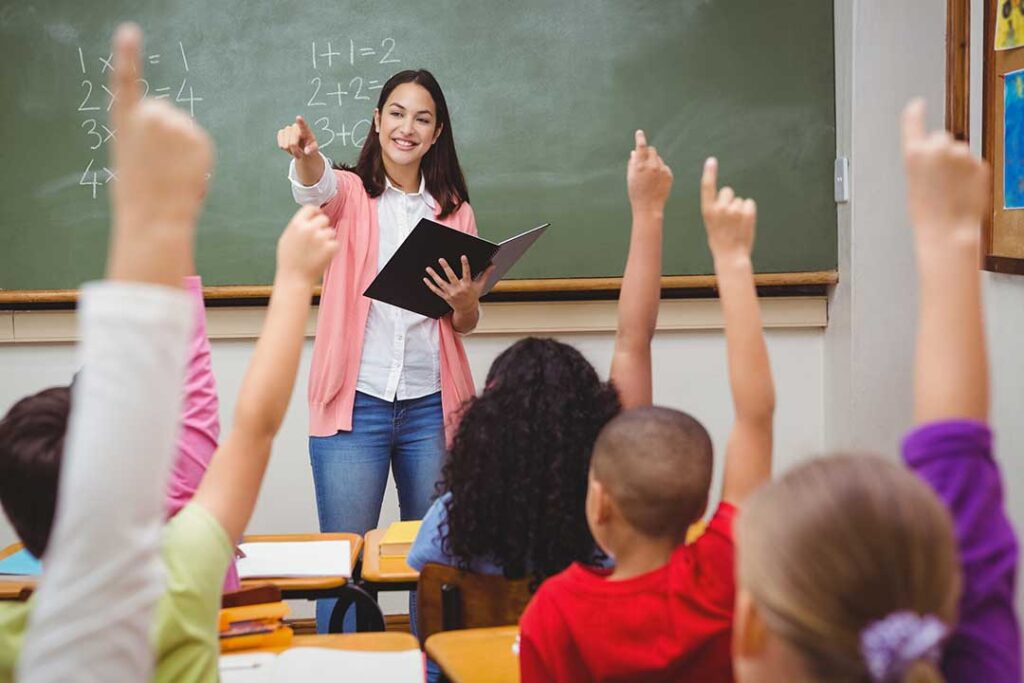
How Do Local Schools and Educational Programs Support Resilient Kids?
Area families benefit from a variety of educational environments that contribute to resilience:
- Structured Routines: Regular school schedules, reliable routines, and familiar faces help children feel secure, especially during volatile times at home or in the broader community.
- Supportive Relationships: Teachers, counselors, and peers provide social networks that offer encouragement or guidance during stressful periods.
- Opportunities for Problem Solving: Lessons and extracurricular activities embed challenges that allow youth to practice navigating obstacles, managing deadlines, and responding to feedback.
- Recognition of Growth: Academic progress, personal bests, and good citizenship are celebrated in classrooms and assemblies, reinforcing the value of effort over perfection.
Local schools may also integrate social-emotional learning, either formally or informally, teaching students about empathy, self-regulation, and communication—essential pillars of resilience.
Can Families Support Resilience at Home?
Yes, children’s resilience is nurtured in the home as well. Area households can foster this trait through daily habits:
- Encouraging Independence: Allowing children to work out disagreements with siblings, manage simple chores, or solve low-stakes problems on their own builds confidence.
- Modeling Coping Strategies: Adults who express emotions constructively or use calming habits (like deep breathing or taking a walk) offer real-life examples for children to follow.
- Balanced Support: Offering reassurance without immediately intervening in every conflict or disappointment teaches kids that setbacks are manageable, not disastrous.
Misconceptions sometimes arise that supporting resilience means exposing kids to frequent stress. Instead, it’s about steady, supportive guidance as children face and reflect on manageable challenges.
What Role Do Peer Relationships and Community Play?
In Western Arkansas, peer relationships and ties to community groups add another level of support. Positive friendships give children outlets for sharing fears or celebrating milestones, while group activities (clubs, athletics, 4-H, art collectives) introduce new skills in safe, structured ways.
For families new to the area or navigating social changes, community centers, libraries, or local faith organizations often serve as hubs for connection—offering everything from tutoring to group crafts that blend academic and emotional growth.
What Common Challenges Affect Resilience Locally?
Children and families in the region sometimes face unique obstacles:
- Sudden Weather Disruptions: Harsh storms or flooding can affect school routines, family safety, or housing stability.
- Economic Changes: Job changes or transitions in local industries may cause family stress.
- Seasonal Shifts: Long, hot summers and winter events may disrupt access to outdoor activities.
Educators and caregivers often need to reassure children through these unpredictable events and help them understand that flexibility is part of resilience. Open discussion about feelings, extra patience, and collaborative problem-solving can ease anxieties arising from such situations.
How Do Adults Know If a Child Is Building Resilience?
Signs of growing resilience in children often include:
- Seeking help when needed and accepting guidance
- Attempting new activities even after setbacks
- Managing disappointments with perspective rather than overwhelm
- Retaining a positive or hopeful outlook

It's normal for kids to have ups and downs. If a child has ongoing difficulty coping or shows changes in behavior such as withdrawal or persistent sadness, checking in with school counselors or family pediatricians may be helpful.
Are There Practices for Local Educators to Encourage Resilience?
Yes, there are classroom and extracurricular strategies that can be woven into both group and individual activities:
- Reinforcing problem-solving and decision-making skills during instruction
- Embedding breaks and mindfulness exercises during the school day
- Celebrating perseverance, not just high achievement
- Allowing kids to safely make mistakes and try again
Many educators in Western Arkansas have adopted restorative discipline approaches that focus less on punishment and more on reflection, repair, and personal growth—principles that align closely with resilience-building goals.
Do Seasonal and Environmental Factors Affect Resilience Strategies Here?
The region’s climate and rural-urban blend mean families sometimes need to tailor approaches:
- Maintaining routines during weather disruptions (e.g., reading or game time during power outages)
- Involving children in safety planning for severe storms or heatwaves, which turns anxiety into agency
- Relying on neighbors or multigenerational family networks for extra support during busy harvest or holiday periods
This flexibility emphasizes the community’s unique strengths, making resilience a lived experience—not just a lesson taught at school.