

 See My Latest Article on HelloNation
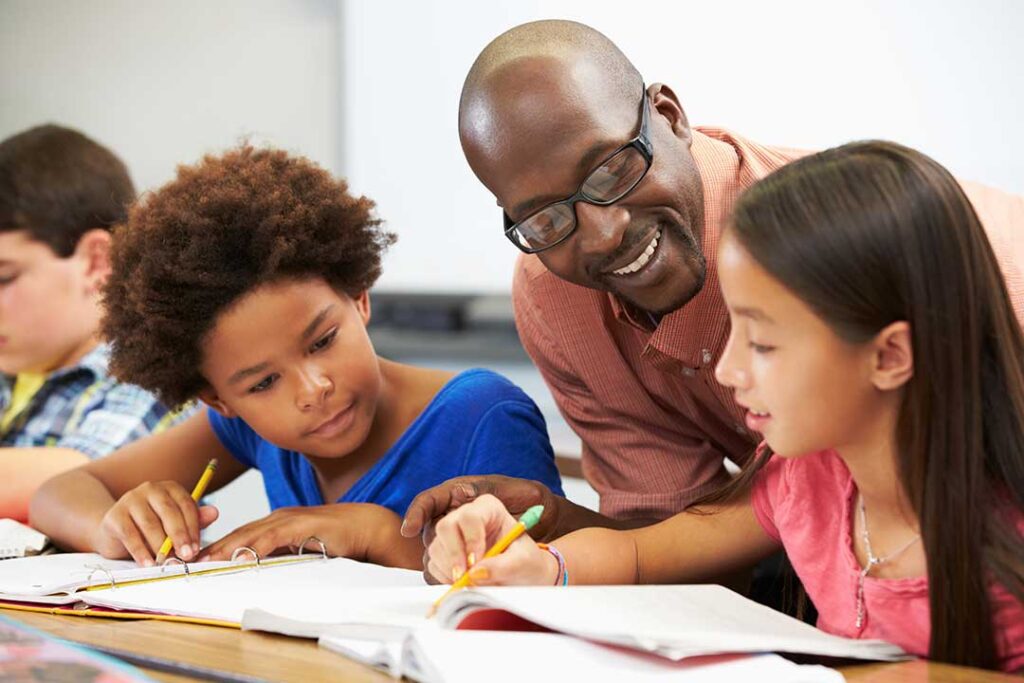
Clear communication with teachers helps students receive better support, understand expectations, and address concerns before they become larger problems. For families in Western Arkansas, effective communication can also make it easier to manage school schedules, seasonal disruptions, transportation changes, and the many responsibilities that affect learning at home.
What does good communication with a teacher look like?
Good communication is timely, respectful, specific, and focused on the student’s needs. It does not require frequent messages or lengthy conversations. A short, well-organized note can be more helpful than a long message that is difficult to follow.
Strong communication usually includes:
- A clear reason for reaching out
- Relevant details about the student
- A respectful tone
- A reasonable question or requested next step
- Patience while allowing time for a response
Teachers communicate with many families while planning lessons, grading assignments, supervising students, and handling daily classroom needs. Families can support that work by keeping messages focused and using the communication method the school has provided.
How should a parent or caregiver introduce a concern?
Begin with facts rather than assumptions. Describe what the student reported, what the family has observed, and when the concern began. Avoid labeling the teacher, student, or situation before all sides are understood.
For example, instead of writing, “My child is being ignored in class,” a clearer message might say:
> “My child said that several questions about the assignment were still unclear after class yesterday. Could you explain the best way to ask for help during independent work?”
This wording communicates the concern without assigning blame. It also gives the teacher enough information to respond usefully.
If the issue involves grades, include the assignment name, due date, and any instructions the student received. If it involves attendance or missed work, explain whether illness, transportation, weather, or another circumstance affected the student’s schedule.
What is the best way to communicate with teachers?
The best method depends on the subject and urgency. Written communication is useful for routine questions because it creates a clear record and gives the teacher time to review details. A phone conversation or meeting may be more appropriate for sensitive concerns, repeated misunderstandings, or situations that require discussion.
Families should follow the school’s established process for communication. That may include a school messaging system, email, phone call, planner, or scheduled conference. Messages sent through several channels at once can create confusion and may not result in a faster answer.
For urgent safety matters, contact the school through its designated office or emergency procedure rather than relying only on a classroom message.
How long should a family wait for a response?
A reasonable response time depends on the school’s communication policy and the urgency of the matter. Teachers may not check messages during instructional time, after school responsibilities, or outside working hours.
If a routine message has not received a response after a few school days, send one brief follow-up. Restate the original question and mention that a response is still needed. Repeated messages sent close together can make it harder to identify the main concern.
A follow-up might say:
> “I am following up on my question about the missing assignment listed in the grade system. Please let me know whether the work can still be submitted and what instructions the student should follow.”
How can families prepare for a parent-teacher conference?
Preparation makes a conference more productive. Before the meeting, review grades, attendance information, assignment directions, and any notes from the student. Write down two or three important questions rather than trying to cover every concern at once.
Useful questions include:
- What skills is the student doing well with?
- Which areas need additional practice?
- Does the student participate and ask for help?
- Are missing assignments affecting progress?
- What can be practiced at home?
- How will improvement be measured?
- When should the family check in again?
A conference should be a two-way conversation. Teachers can explain classroom expectations, while families can share information that may affect the student’s concentration, attendance, confidence, or ability to complete work.
If weather, transportation, health, or household schedules have caused interruptions, explain the situation clearly without oversharing private details. This context can help the teacher identify practical support.
What should families do if they disagree with a teacher?
Disagreement should be handled privately and respectfully. Start by asking questions and seeking clarification. A grade, classroom rule, or behavior report may look different after the teacher explains the standard, assignment record, or circumstances involved.
Use statements such as:
- “Could you help me understand how this assignment was evaluated?”
- “What behavior did you observe?”
- “What steps have already been tried?”
- “What would improvement look like over the next few weeks?”

Avoid discussing the dispute in front of the student in a way that encourages distrust or disrespect. Children benefit from knowing that adults can disagree while still working together.
If a concern remains unresolved, follow the school’s communication process and speak with the appropriate next person. Keep the discussion focused on facts, policies, and the student’s educational needs rather than personal criticism.
How can students take part in communication?
Students should gradually learn to communicate with teachers themselves. Depending on age and maturity, a student might ask for clarification, report a problem, request missing-work instructions, or explain why an assignment was difficult.
Families can help by rehearsing a short statement, such as:
> “I understand the first part, but I need help with the next step.”
Students should also learn to check assignment instructions, record due dates, and review teacher feedback before asking a question. These habits reduce avoidable confusion and build independence.
For younger students, caregivers may need to communicate more directly. Older students can often take the lead while families provide support and follow up when necessary.
What communication mistakes should families avoid?
Several common habits can make communication less effective:
- Sending an angry message immediately after hearing a student’s version of an event
- Writing in all capital letters or using sarcasm
- Including unrelated complaints in one message
- Expecting an instant response during the school day
- Copying large groups of people before discussing the concern directly
- Asking for exceptions without explaining the circumstances
- Focusing only on grades instead of skills, effort, attendance, and progress
A student’s report is valuable, but it may not include every part of a classroom interaction. Treat it as a starting point for questions rather than complete proof of what happened.
How can communication continue throughout the school year?
Communication works best as an ongoing habit rather than something used only during a crisis. Families can review school messages regularly, ask students about assignments, and respond to teacher requests within a reasonable time.
A brief positive message can also strengthen the relationship. Acknowledging helpful feedback, recognizing a student’s progress, or thanking a teacher for clarification does not require a lengthy note.
The goal is not constant contact. The goal is shared understanding: the student knows what is expected, the family understands how to provide support, and the teacher has useful information about the student’s needs. That partnership can be especially valuable during transitions between grade levels, changes in routine, severe weather periods, and other times when school and home schedules are under strain.