
 See My Latest Article on HelloNation
What is Social-Emotional Learning and Why Does It Matter?
Social-emotional learning (SEL) refers to the process by which children and adults develop skills for managing emotions, setting goals, building relationships, and making responsible decisions. In Western Arkansas, there is growing interest in SEL because these skills are linked to academic success, emotional health, and positive community engagement.
Many families and educators notice that students who feel understood and supported often perform better in school and handle stress more effectively. SEL supports the development of self-awareness, empathy, and conflict resolution—skills useful not just in classrooms, but in everyday life throughout the region.
How Does Social-Emotional Learning Affect Students in Area Schools?
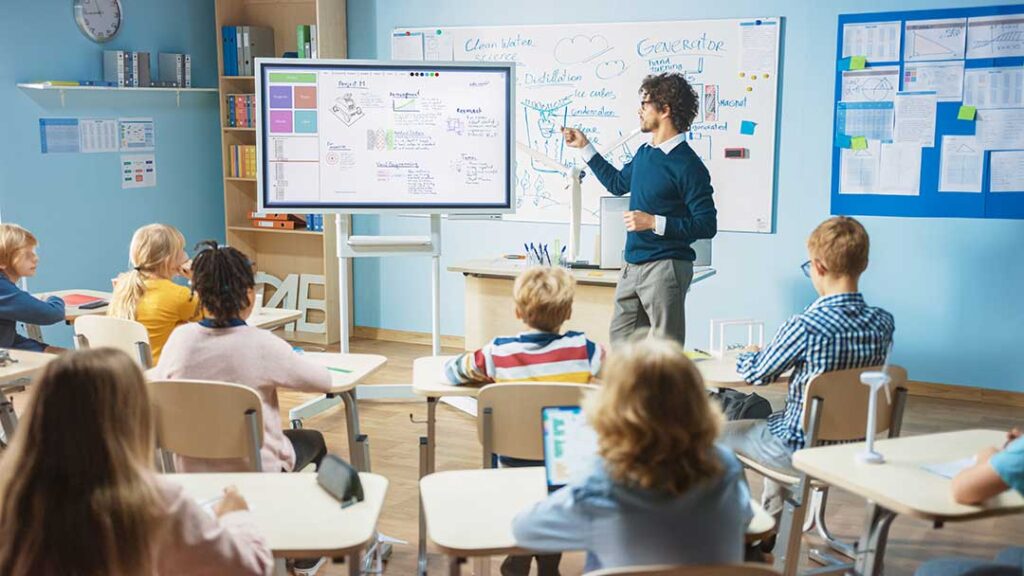
SEL helps students develop resilience, cooperate with others, and navigate challenges. It is often integrated into everyday classroom routines, conversations, and problem-solving activities.
For example, teachers might guide students through calming strategies before tests or encourage group projects that build teamwork. This focus on emotional skills can help reduce disruptive behavior and boost academic motivation.
Recent trends in local schools have shown the following benefits:
- Higher attendance rates
- Fewer disciplinary issues
- Better cooperation among students of different backgrounds
- Stronger student-teacher relationships
These outcomes help support a healthier school environment and can ripple outward into local households and neighborhoods.
What Are Common Misunderstandings About SEL?
A frequent misconception is that SEL takes time away from "real" learning, like reading or math. In fact, social-emotional skills contribute to greater focus and readiness to learn. Another misunderstanding is that SEL is about correcting behavior alone, rather than fostering lifelong habits such as empathy and responsibility.
SEL is not a quick fix or a single lesson—it’s a continuous process embedded in daily interactions and routines. In Western Arkansas, SEL is increasingly seen as a core part of education rather than an optional add-on.
How Can Families Support Social-Emotional Learning at Home?
Support for SEL does not end at the school’s front doors. Area households play a major role in helping children apply these skills outside the classroom.
Families might:
- Model healthy communication during disagreements
- Practice stress-management techniques together, such as deep breathing
- Encourage sharing stories about friendships and challenges
- Set aside time to discuss feelings without judgment

By modeling and encouraging these practices, adults help reinforce what children learn in school and give them tools for navigating everyday life in the community.
Are There Local Programs or Resources Related to SEL?
Public schools in Western Arkansas often incorporate SEL through guidance counselors, classroom activities, and extracurricular programs. Some local libraries and community centers offer workshops or reading materials focused on topics like coping with transitions or building confidence.
Families may also see SEL discussed during parent-teacher meetings or see it referenced in school newsletters. Even informal settings—like sports leagues or faith-based youth groups—often help youth build teamwork, communication, and respect for others.
What Challenges Do Local Schools Face with Social-Emotional Learning?
Implementing effective SEL programs can present obstacles. Limited time, staff training needs, and competing curriculum priorities are concerns voiced by area educators. Additionally, students come from diverse backgrounds and may need different types of support, requiring flexibility and creativity from teachers.
Community-wide challenges—like financial stress in households or a lack of mental health resources—can also affect how well SEL skills develop in students. This is why local collaboration among families, schools, and civic leaders is critical in providing a strong foundation for youth.
How Does SEL Prepare Students for Life Beyond School?
SEL helps youth become more adaptable and confident as they move into adulthood, whether entering the local workforce or pursuing further education. Skills like teamwork, managing stress, and understanding others are essential for civic engagement, job readiness, and healthy relationships.
In Western Arkansas, area residents value qualities such as honesty, reliability, and compassion—traits deeply connected to social-emotional learning. Fostering these skills can help young people thrive within families, neighborhoods, and the region’s broader community.